Foil-packet cooking on the barbecue
Healthy, flavour-packed barbecue
In this article
Cooking en papillote on the barbecue
The secret to healthy, flavourful barbecue all year round.
September is here, but who said barbecue season was over? Quite the opposite: autumn brings its own set of seasonal produce that lends itself beautifully to cooking over fire. And today we're looking at a technique often associated with warm weather but which is, in reality, anything but seasonal: cooking en papillote.
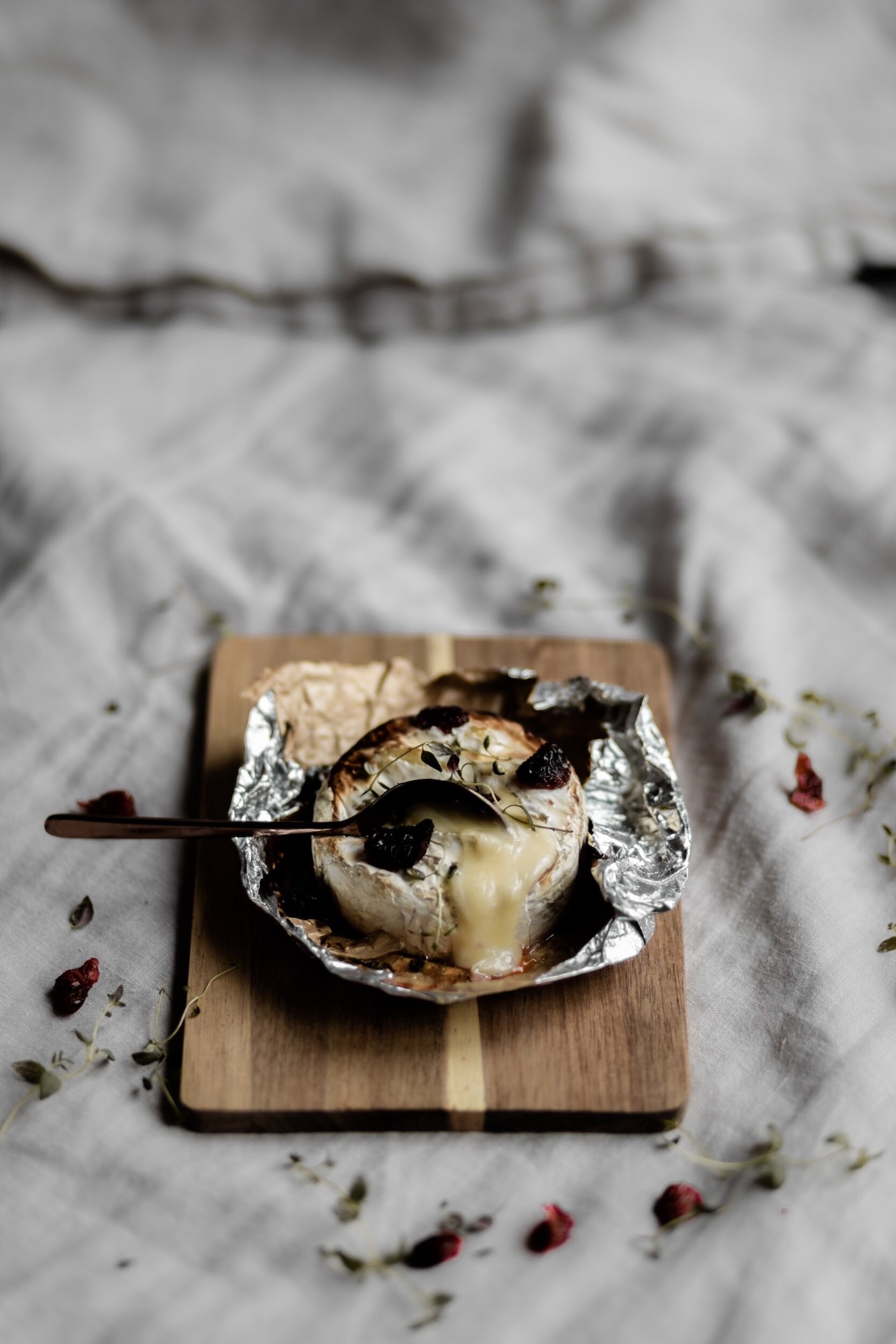
The papillote isn't reserved for summer. This versatile cooking method works every month of the year, on every type of barbecue, and with a range of foods running from melting cheese to seafood, by way of fruit desserts.
It's not only an incredibly tasty and healthy way to cook your food; it also lets you steep it in aroma and flavour by sealing the juices inside. And for the more eco-conscious among you, we'll also look at a versatile, environmentally friendly alternative to aluminium foil.
What is cooking en papillote?
The basics
Cooking en papillote means cooking food wrapped in an airtight material. Most often that's aluminium foil or parchment paper, but we'll explore an alternative further down this article.
Every season, every barbecue
One of the biggest mistakes you can make is to think cooking en papillote is a summer technique. It suits every season and every type of barbecue. Whether you have a gas barbecue, an electric one, or even a charcoal barbecue, cooking en papillote opens up a world of culinary possibilities.
Exceptional adaptability
The ultimate advantage of cooking en papillote is how adaptable it is. You can adjust the ingredients, the spices, and even the type of parcel for each recipe. All you need to do is adapt the cooking time and the seasoning.
The fundamentals
How to build a papillote
It all starts with cutting the paper. Generally you use a rectangular sheet, large enough to hold the food while leaving room to close it. Position your ingredients in the centre of the paper, add your spices, herbs or other seasonings, and don't forget a source of liquid to help the cooking along if your food doesn't contain enough of its own. Then close your parcel by folding the edges to seal the flavours inside.
Choosing your material
The choice of material is crucial. Aluminium is a popular one, particularly for the barbecue, because of its heat resistance. Greaseproof paper is also an excellent option for the oven, thanks to its non-stick coating. Other, more traditional materials such as banana or corn leaves can also be used to bring a fragrant note to your dishes.
Cooking basics
Cooking time varies with the ingredients and the heat source, but holding a steady temperature is essential. For vegetables with bite, 15 to 20 minutes at 180 °C in a preheated barbecue is enough. For meats such as chicken, or for fish, aim for 25 to 30 minutes. A probe thermometer remains the essential tool for taking the guesswork out of it.
The healthy side of the papillote
This cooking method not only preserves the nutrients in your food, it also means you can avoid adding extra oils or fats. The result: full-flavoured dishes, without the extra calories.
Adaptability
Whether you have an open barbecue, a lidded one, a pellet grill or even a fire bowl, this technique is a perfect fit.
Easy and good-looking at the table
Not only does it let you prepare all your ingredients in advance, it's also extremely practical and visually pleasing when the time comes to serve. You present your guests with neat little personalised parcels, and they discover the surprise inside. It's an exceptional way to create an interactive experience.
Preparing ahead
You assemble your parcels a few hours before your guests arrive, keep them in the fridge, and put them on to cook whenever you're ready. That frees up time to focus on your guests rather than stressing out next to the barbecue.
The alternative: the Bricknic
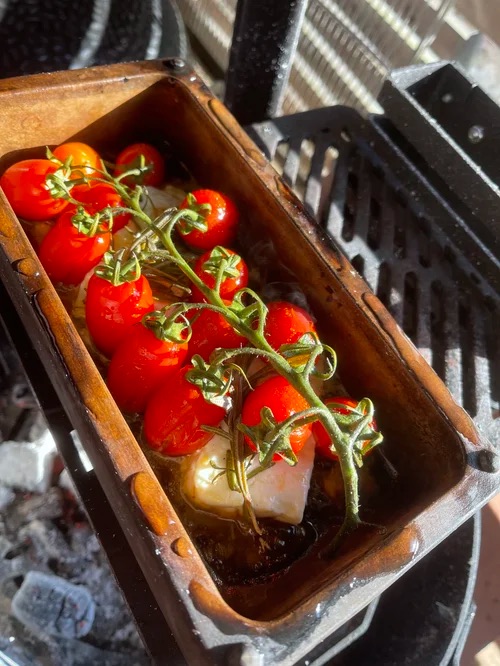
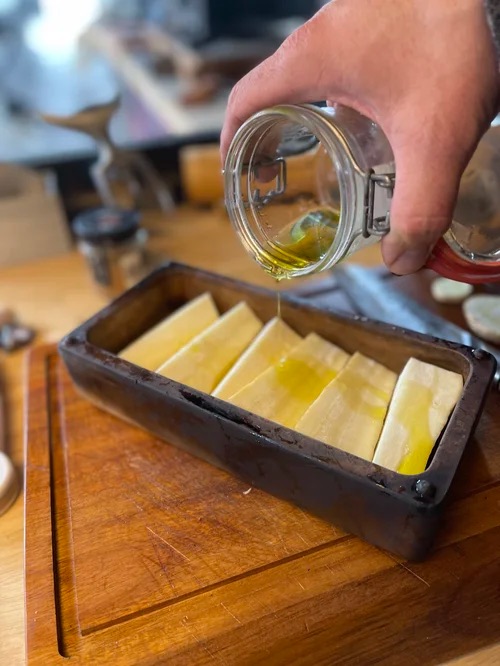
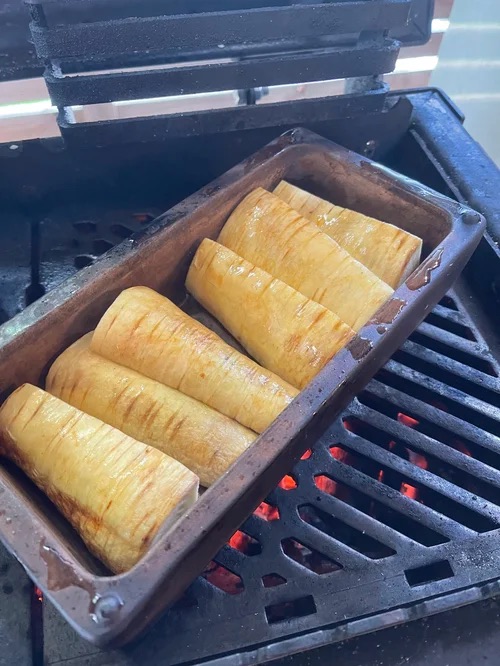
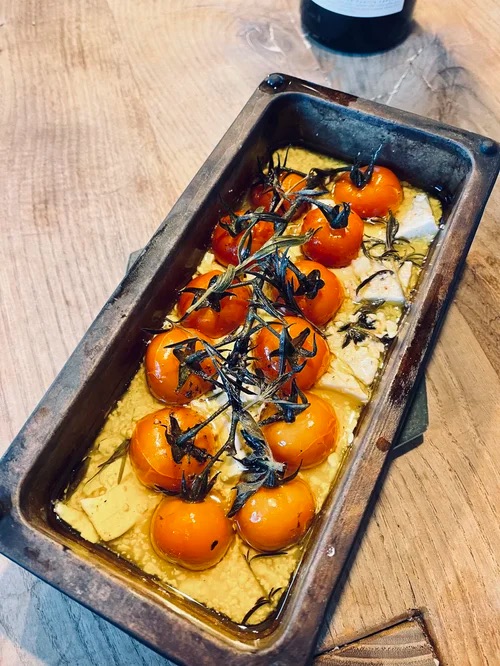
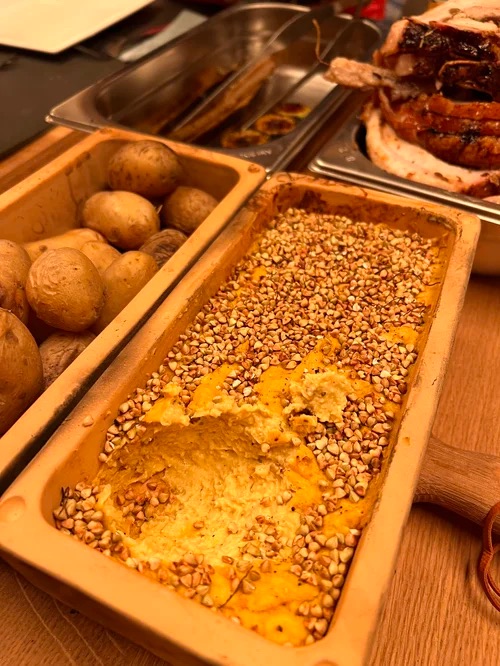
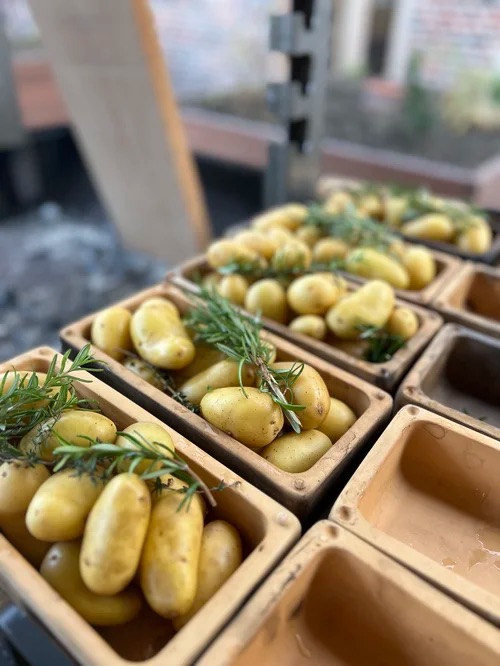
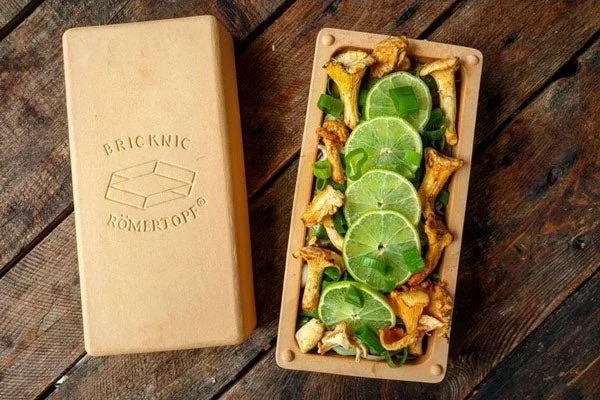
Bricknic have their cooking brick made by Romertopf, a house with a strong reputation for terracotta cookware.
Practical dimensions
The Bricknic looks a lot like a standard building brick. Its dimensions were worked out to fit every type of barbecue, including the most compact. For roomier barbecues, or occasions when you're feeding a crowd, you can stack several Bricknics to make the most of your cooking space.
Moisture and flavour
If you want to keep your food moist, soak it in water before use: it will release moisture during the cook. No more dry meat or shrivelled vegetables. Which means you can forget about adding masses of stock or oil to your parcels.
Build quality
Romertopf is the benchmark for terracotta cookware, which adds a guarantee of excellence to this product. Bricknics come in two finishes, one raw and one in black slip, with no difference in cooking performance — purely a question of looks.
Heat retention
Thanks to its insulating properties, it holds heat long after coming off the barbecue. That's particularly useful if you've prepared several dishes and want everything to stay warm until you serve.
Recipe idea: salmon and citrus en papillote
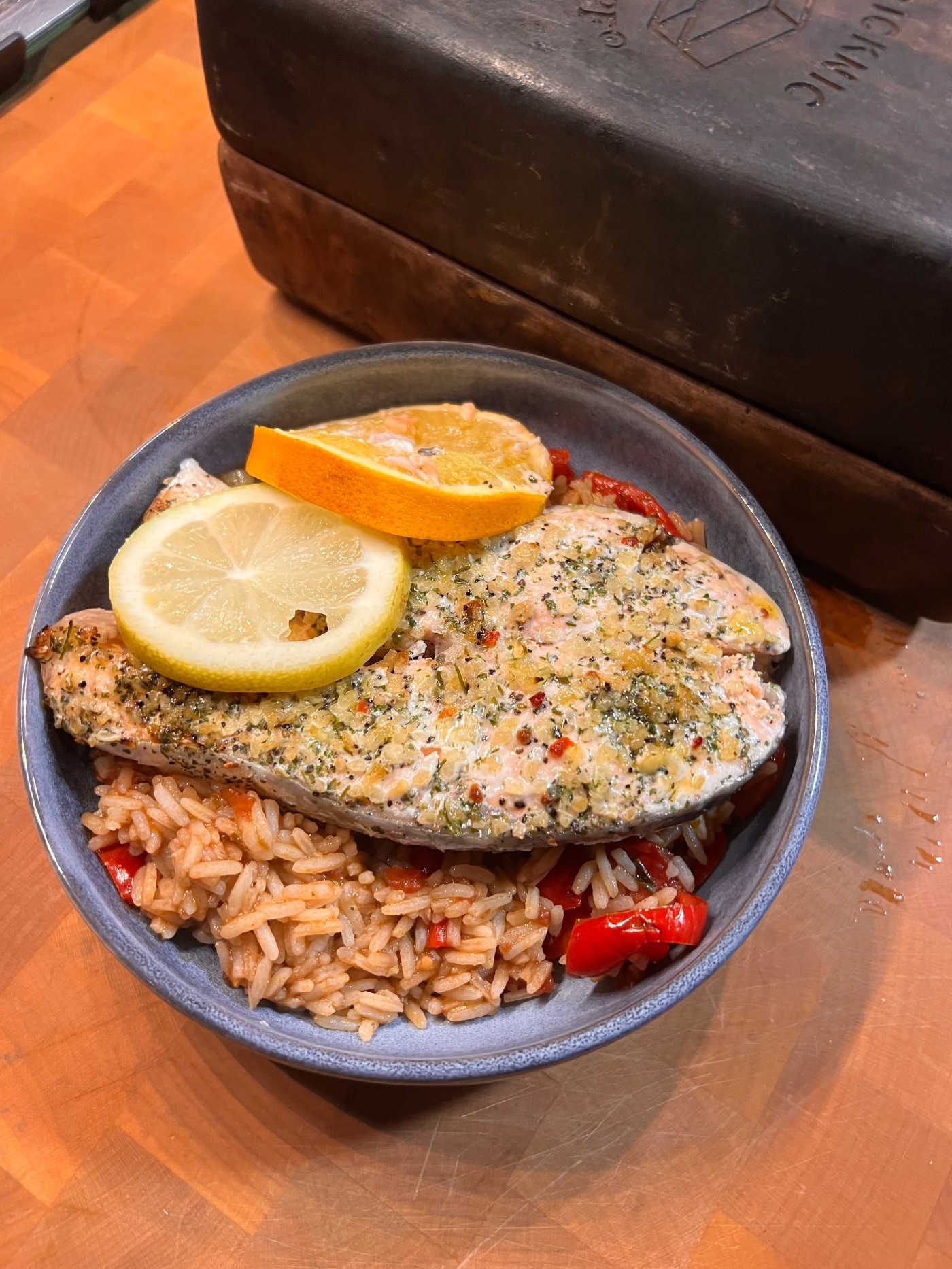
Ingredients
- 4 salmon fillets (around 150 g each)
- 1 orange, 1 lemon, 1 grapefruit, 1 lime
- 4 sprigs of fresh dill
- Sea salt and freshly ground black pepper
- 2 tablespoons extra-virgin olive oil
- 1 clove of garlic, finely chopped
Method
- Preheat. Preheat your barbecue. If you're using a Bricknic, soak it in water beforehand to maximise the moisture during the cook.
- The citrus. Peel and cut the citrus into thin slices, or into segments for a neater look.
- The salmon. Place each fillet in your Bricknic. Season with salt, pepper and the chopped garlic. Add a drizzle of olive oil.
- Assembly. Lay the citrus slices over the salmon and add a sprig of dill on top.
- Cooking. Close it up and place it on the preheated barbecue. Cook for around 12 to 15 minutes, or until the salmon is done to your liking.
- Serving. Open carefully — watch out for the steam — and serve immediately.
Tips
- You can add a touch of honey or maple syrup to balance the acidity with a little sweetness.
- If you like more heat, a pinch of piment d'Espelette or a few slices of fresh chilli will give the dish a kick.
Bonus: pears Belle-Hélène en papillote
Ingredients
- 4 ripe pears, peeled, halved and cored
- 100 g dark chocolate
- 50 g sugar
- 1 vanilla pod, split lengthways
- 50 g butter
- 4 tablespoons crème fraîche (optional)
- Crushed hazelnuts or almonds, to finish
Method
- Preheat. Preheat the barbecue. If you're going with the Bricknic, make sure it has been soaked in water.
- The pears. Place each pear half in the Bricknic. Scatter over the sugar and slip a piece of vanilla pod into the hollow of each pear.
- Chocolate and butter. Break the chocolate into small pieces and spread them over the pears. Add a knob of butter to each half.
- Assembly. Close it up carefully.
- Cooking. Cook for around 15 to 20 minutes. Keep an eye on it so the chocolate doesn't burn.
- Finishing. As it comes off, scatter over the crushed hazelnuts or almonds. Add a spoonful of crème fraîche for extra indulgence.
Tips
- You can swap the pears for apples or peaches.
- For a richer version, replace the sugar with maple syrup or honey.
Tips and tricks
For the papillote
- Paper size. Make sure it's big enough to wrap your food properly, but not so big that sealing it becomes awkward.
- Double thickness. It helps prevent leaks, especially with very juicy ingredients.
- Airtight seal. It maximises steam retention, which makes the dish juicier and more fragrant.
- Don't overfill. Too many ingredients in a single parcel will affect the cooking.
For the Bricknic
- Pre-soaking. Around 30 minutes in water before cooking, to hold the moisture.
- Gradual heat. Avoid putting a cold Bricknic into a very hot barbecue, to reduce the risk of cracking.
- Cleaning. A simple wash in hot water is enough. Avoid detergents, which soak into the porous terracotta.
Pro tips
- Instant marinade. If you don't have time to marinate, put a few citrus slices in with your meat or fish. The steam will infuse the flavour during the cook.
- Herbs. Don't hold back on fresh ones for a burst of flavour.
- Reuse the juices. Once opened, use the juices left in the parcel as the base for a quick dressing, or as a sauce to spoon over the dish.
Conclusion
Cooking en papillote isn't only a versatile method, suited to every season and every type of barbecue; it's also an exceptional way to preserve the integrity of the flavours and nutrients in your food.
And don't forget that barbecue isn't just about cooking: it's also an occasion to bring friends and family together around a table.
Affiliate links. I earn a commission if you buy after clicking, at no extra cost to you.
What happens around the fire, on no fixed schedule. No promotions, no ten-part series.